Located along the pristine Coral Coast north of Perth, the coastal snorkel sites of Wanagarren Nature Reserve offer access to the turquoise waters of Jurien Bay Marine Park. This reserve protects a stretch of limestone reef habitats, sandy-bottom bays, and seagrass meadows teeming with marine life. The shallow inshore areas near the Wanagarren Campground provide excellent shore-entry snorkeling, with snorkel and dive trails marking underwater points of interest. The coastline here is wild and sparsely populated, offering a serene, off-the-beaten-path snorkeling experience amid Western Australia's stunning limestone karst landscape.
Wanagarren Nature Reserve (coastal snorkel sites)
IntermediateSKIP
SKIP
Poor conditions. Stay out today.
Showing last known conditions
Wave Height 1.5 mSwell Period 11 sWind Speed 3.8 knPrecipitation 8.5 mmTidal Phase ebb
Last evaluated
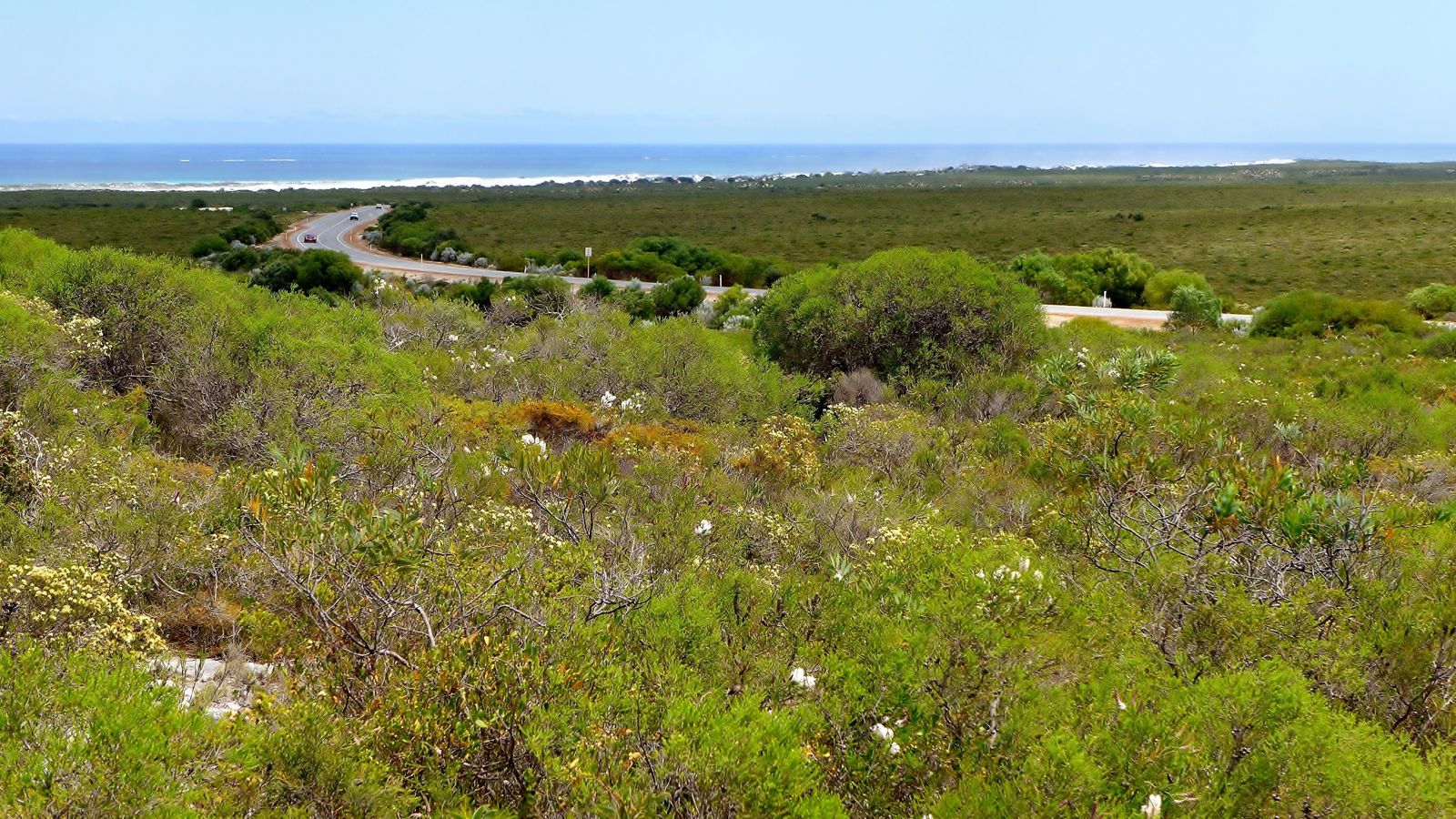 © Bahnfrend
The spot
Community-maintained
Community contribution: submitted by Daniel
Know before you go
Logged by the community, confirmed by mods
Moderate risk: 4WD only access track
The coastal track through the reserve requires a high-clearance 4WD vehicle; soft sand and uneven terrain can be challenging.
Moderate risk: Remote location
Limited mobile reception and few facilities nearby; self-sufficiency is essential and help may be far away.
Moderate risk: Strong currents in tidal channels
Tidal movement through channels between limestone reef platforms can create strong, unpredictable currents.
Moderate risk: Remote access — high clearance 4WD only
Access tracks require a high-clearance four-wheel-drive vehicle. No caravans or trailers permitted. Recovery options are limited.
Moderate risk: Limited mobile reception
Mobile phone coverage is unreliable or absent in much of the reserve, making emergency communication difficult.
Moderate risk: 4WD-only beach access
The soft sandy tracks along the Wanagarren coastline require a high-clearance 4WD vehicle with low-range capability. Deep potholes, washouts, and soft sand make access hazardous for standard vehicles.
Moderate risk: No fresh water available
There is no fresh water on-site. Snorkelers must carry all drinking water with them, increasing risk of dehydration in the hot Australian summer.
Moderate risk: Swell and rip currents
Exposed beaches along this coastline can experience strong Indian Ocean swell and rip currents, particularly in winter months. Conditions change rapidly.
Low risk: Changing tides and currents
Tidal flows through inshore limestone reef channels can create shifting currents, especially during outgoing tides.
Low risk: Sharp limestone reef
The inner reef systems have sharp limestone edges; reef shoes or fins are strongly recommended to avoid cuts.
Low risk: Swell and surge exposure
The exposed coastline can experience significant swell and surge, particularly during winter months, creating rough conditions near limestone reef edges.
Low risk: Swell and surf exposure
The coastline is exposed to prevailing winds and Indian Ocean swells. Conditions can change rapidly, affecting water clarity and safety.
Low risk: Lack of facilities
No toilets, drinking water, showers, or lifeguard services. Snorkelers must be entirely self-sufficient.
Low risk: Marine stingers
Box jellyfish and other marine stingers may be present in warmer months. Snorkelers should wear protective stinger suits during summer.
Low risk: Ticks and insects
Ticks and bees are prevalent in the reserve, particularly during warmer months. Insect repellent is strongly recommended before and after snorkeling.
Wildlife Guide
No wildlife notes for this spot yet.
Gallery
6 photos from the community
Getting in
Shore entry
Entry
Located approximately 200 km north of Perth. Turn west off Indian Ocean Drive onto Wanagarren Nature Reserve access road near Cervantes. Follow the 4WD coastal track south from the Wanagarren Campground to access various snorkel entry points along the beach.
Spot Map
Community
Gallery ┬╖ 6 photos
Trust
Is this spot real, accurate, still loved?
Spots near Western Australia
No nearby spots yet.
Needs verification
Quick verify
One tap helps the community keep this spot honest.
About this data
- Conditions last evaluated
- Spot data last updated
- Data sources
- Open-Meteo (marine & weather conditions), tide predictions via UTide, community contributors (descriptions, hazards, marine life).
- License
- Spot content licensed under CC BY-SA 4.0. How's the Spot is open source.
Weather & swell ┬╖ Open-Meteo marine & weather APIs Tides ┬╖ UTide harmonic analysis Sea & safety ┬╖ community reports