Turtle Cove is a celebrated dive and snorkel site located off Cape Hawke near Forster, within the Port Stephens-Great Lakes Marine Park on NSW's Mid North Coast. Named for the green and loggerhead turtles that frequent these waters, the site features rocky reef terrain with gutters, overhangs, and bommies that attract a rich mix of tropical and temperate marine life. Depths range from roughly 5 to 20 metres, making it accessible for confident snorkelers and divers alike. Part of a cluster of sites in the "middle" zone of the marine park alongside Cod Rock and Coral Corner, Turtle Cove offers clear coastal waters and the chance to spot wobbegong sharks, rays, kingfish, and grey nurse sharks patrolling the deeper edges. Access is by boat or charter only, with local operators running trips from Forster's Fisherman's Wharf.
Turtle Cove (off Cape Hawke)
Fair. Experienced snorkellers only.
Showing last known conditions
Last evaluated
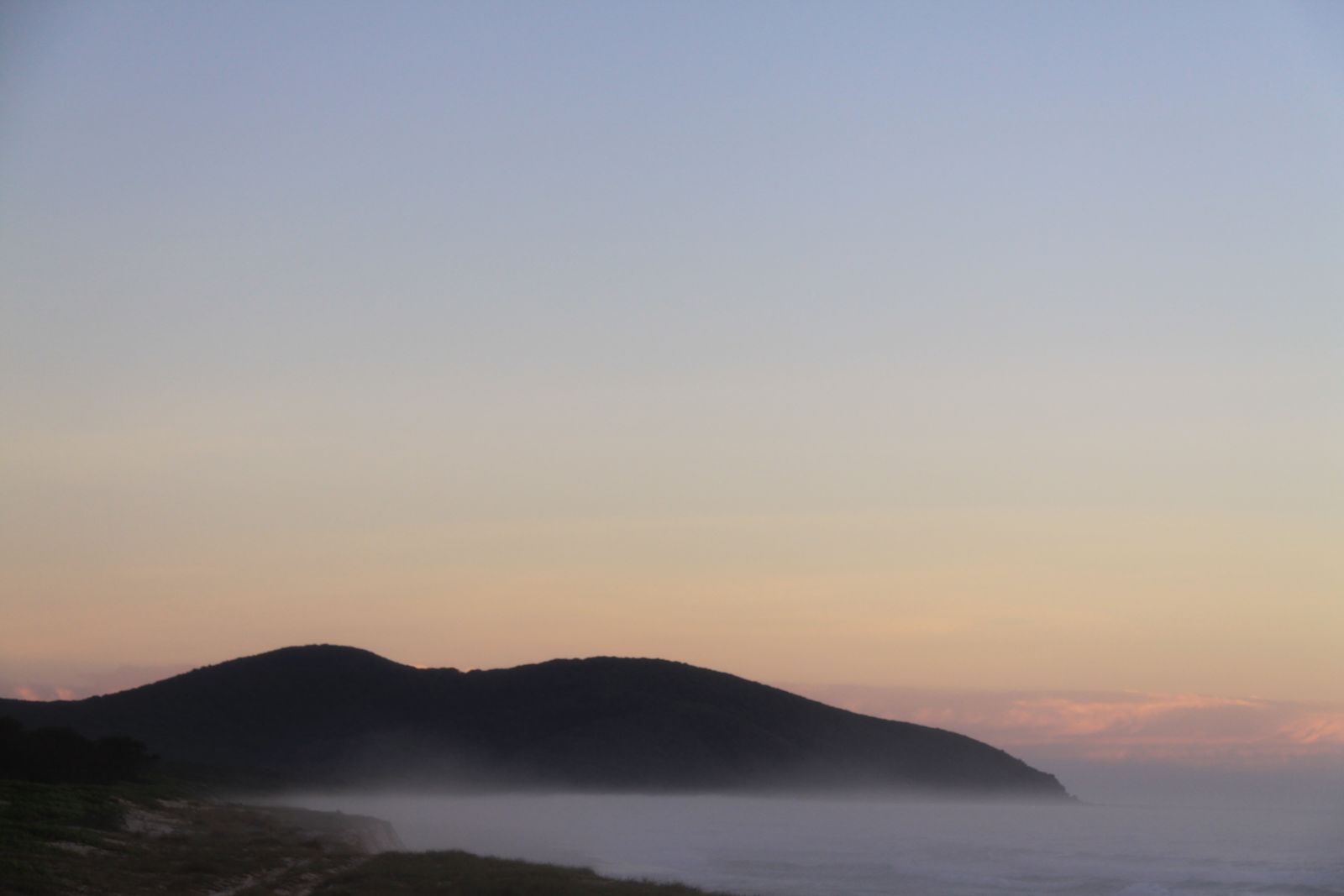 © Rob Freijs
DANGER: Explicit Risks Present
Turtle Cove (off Cape Hawke) has hazards marked as danger. Entering the water here means you may face serious risks to your personal safety.
- Significant depth (24 m+ minimum) danger
The reef drops to 24–50 metres; the minimum depth is 24 m, making this site unsuitable for casual snorkeling and requiring advanced skills even for diving.
- Extreme depth (24 m minimum) danger
The shallowest part of this offshore seamount is 24 m below the surface, well beyond recreational snorkelling depth. This site is primarily for advanced SCUBA diving.
- Open ocean swells danger
Exposed offshore site requiring calm seas — large southerly/easterly swells make the site unsafe or inaccessible.
The spot
Community-maintained
Community contribution: submitted by Daniel
Know before you go
Logged by the community, confirmed by mods
High risk: Significant depth (24 m+ minimum)
The reef drops to 24–50 metres; the minimum depth is 24 m, making this site unsuitable for casual snorkeling and requiring advanced skills even for diving.
High risk: Extreme depth (24 m minimum)
The shallowest part of this offshore seamount is 24 m below the surface, well beyond recreational snorkelling depth. This site is primarily for advanced SCUBA diving.
High risk: Open ocean swells
Exposed offshore site requiring calm seas — large southerly/easterly swells make the site unsafe or inaccessible.
Moderate risk: Strong ocean currents
Strong ocean currents can sweep across the offshore reef, particularly on the eastern drop-off and around the gutters.
Moderate risk: Remote offshore location
Located over 3 km offshore with no shore access — requires boat transport and emergency response planning.
Moderate risk: Decompression limits (deep reef)
Limited bottom time due to depth — even experienced divers get only 13–20 minutes on the reef before decompression limits.
Moderate risk: Exposed offshore conditions
The Pinnacle is an exposed offshore site ~4 km from shore. Strong winds and swells can make conditions dangerous quickly. Requires very calm seas (BOM forecast of <1 m swell) for safe access.
Moderate risk: Strong tidal currents
The reef peak sits at 24 m depth with walls dropping to 45+ m. Strong currents can sweep around the pinnacle, especially during tide changes, making it challenging to stay on site.
Moderate risk: Ocean swell and surge
The exposed rocky coastline receives direct ocean swell. Large waves can surge over rock platforms, making entry risky in moderate-to-high swell conditions.
Moderate risk: Strong currents
Tidal and ocean currents can sweep divers and snorkelers away from the reef structure.
Moderate risk: Deep water reef
Reef rises from significant depth; strong swimming ability and snorkel fitness required to return to the boat.
Moderate risk: Open ocean conditions
Exposed offshore location subject to swell, wind, and strong currents. Suitable only on calm days with light winds.
Moderate risk: Open ocean swell
Exposed to easterly and southerly ocean swells that can create challenging conditions, particularly during strong wind events.
Low risk: Rocky shore entry
Access points like Pebbly Beach involve navigating rocks and boulders at the water's edge; care needed when entering and exiting the water.
Low risk: Swell exposure
While generally protected, the area can receive ocean swells pushing around the headland, especially during easterly winds.
Low risk: Marine stingers
Bluebottles and occasional box jellyfish can appear in warmer months along this stretch of coast.
Low risk: Boat-access only (remote offshore site)
Only accessible by boat charter — no shore entry available. Requires pre-arranged dive/snorkel charter from Forster (Fisherman's Wharf). Remote location with no easy exit.
Low risk: Slippery rock platforms
The volcanic rock ledges at the base of Cape Hawke can be extremely slippery when wet, especially in the intertidal zone.
Low risk: Outgoing tide current
Tidal movement around the headland can create strong currents, particularly on an outgoing tide when water drains from the adjacent bays.
Low risk: Sharp reef and sea urchins
Shallow reef areas contain sharp barnacle-encrusted rock and sea urchins. Cut-proof footwear is strongly recommended.
Low risk: Southerly Swells
Anemone Bay is sheltered from southerly swells, but when conditions are rough, the 75-minute boat journey and the site itself may be inaccessible or hazardous.
Low risk: Boat traffic
Located in open water off Cape Hawke, boat traffic from fishing and dive charters can be a hazard.
Low risk: Limited shore access
No shore entry available — site is reached only by boat charter. Snorkellers must be comfortable with boat-assisted entries and exits.
Low risk: Variable visibility
Visibility can range from 5m to 15m depending on weather, tide, and recent swell. After storms or rough seas, visibility may drop significantly.
Wildlife Guide
No wildlife notes for this spot yet.
Gallery
1 photo from the community
Getting in
Turtle Cove lies off Cape Hawke, approximately 1 km offshore from the cape. The site is 5 minutes by boat from Forster, which is about a 3.5-hour drive north of Sydney via the Pacific Highway. Forster's main boat ramps are at Little Street and the Forster-Tuncurry bridge area.
Parking available at Fisherman's Wharf, Little Street boat ramp, and along the Forster waterfront. Check for time limits and paid parking in summer.
No entry fee; charter fees apply if booking with Dive Forster or Forster Dive Centre (~$80-$150 per person depending on trip).
Spot Map
Community
Trust
Is this spot real, accurate, still loved?
Spots near New South Wales

No nearby spots yet.
Quick verify
One tap helps the community keep this spot honest.
About this data
- Conditions last evaluated
- Spot data last updated
- Data sources
- Open-Meteo (marine & weather conditions), tide predictions via UTide, community contributors (descriptions, hazards, marine life).
- License
- Spot content licensed under CC BY-SA 4.0. How's the Spot is open source.