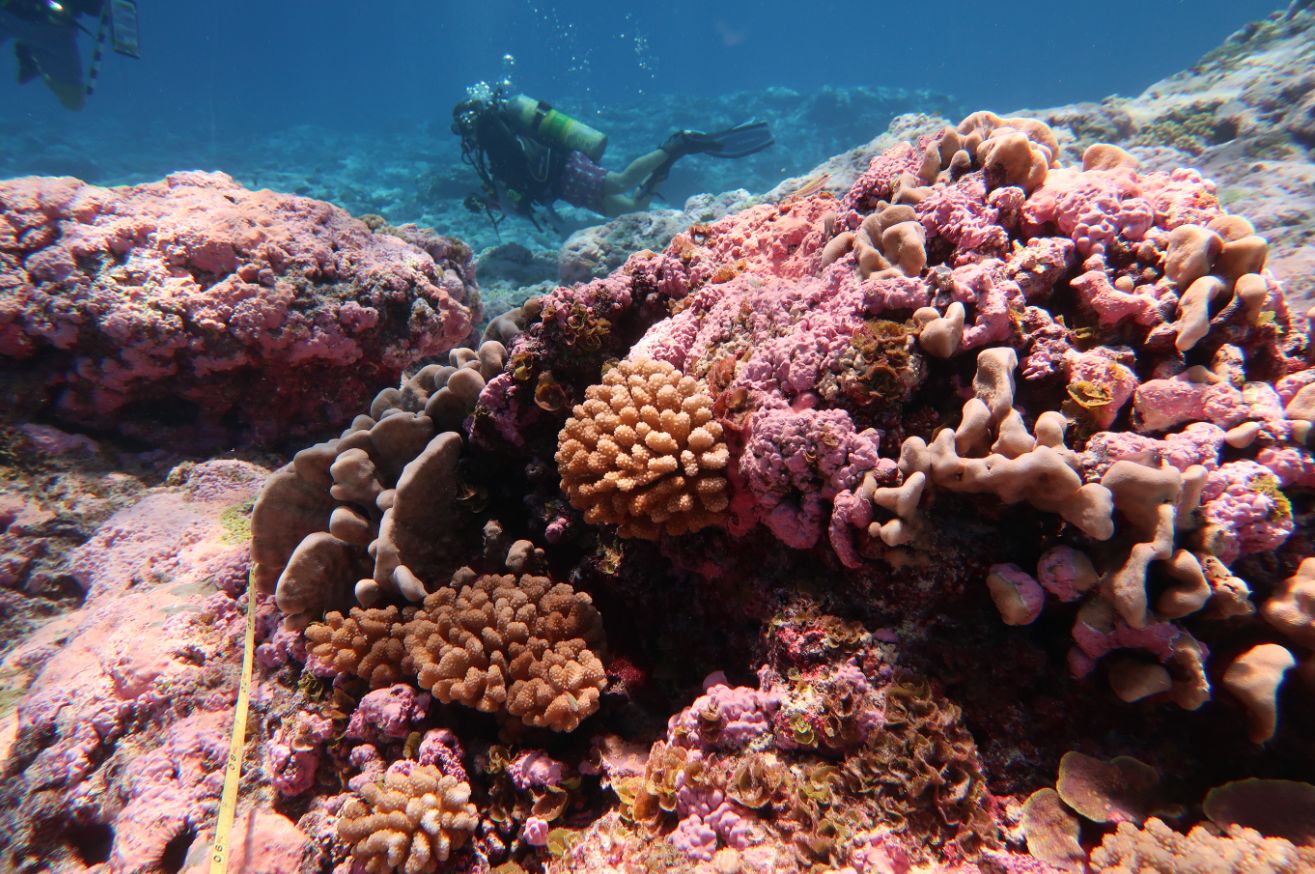
The Swain Reefs form the southern Great Barrier Reef's true wilderness — a sprawling labyrinth of roughly 1,000 coral reefs lying 120 nautical miles offshore, east of Gladstone. This remote, rarely-visited system offers pristine coral gardens, exceptional fish biomass, and shark populations that have experienced minimal human pressure. Cooler, nutrient-rich waters (22°C in winter) support a subtropical shift in coral communities and deliver some of the most intact reef ecosystems on the entire GBR. Snorkellers access the area only via multi-day liveaboard, where the reward is extraordinary solitude and encounters with reef sharks, coral trout, and massive schools of pelagic fish amid untouched coral architecture.
Swain Reefs (general area)
AdvancedGO
GO
It's a go.
Showing last known conditions
Wave Height 0.1 mSwell Period 6.2 sWind Speed 7.9 knPrecipitation 0.3 mmTidal Phase flood
Last evaluated
DANGER: Explicit Risks Present
Swain Reefs (general area) has hazards marked as danger. Entering the water here means you may face serious risks to your personal safety.
- Extreme remote isolation danger
The nearest hyperbaric chamber is hundreds of kilometres away on the mainland. Any diving-related injury requires a lengthy boat evacuation, then road transfer to a medical facility.
- Remote location / delayed emergency response danger
Extreme remoteness — the nearest medical facility is hours away by boat, and emergency evacuation is complex and slow.
The spot
Community-maintained
Community contribution: submitted by Daniel
Know before you go
Logged by the community, confirmed by mods
High risk: Extreme remote isolation
The nearest hyperbaric chamber is hundreds of kilometres away on the mainland. Any diving-related injury requires a lengthy boat evacuation, then road transfer to a medical facility.
High risk: Remote location / delayed emergency response
Extreme remoteness — the nearest medical facility is hours away by boat, and emergency evacuation is complex and slow.
Moderate risk: Strong tidal currents
The Swain Reefs are subject to strong tidal movements through the Capricorn Channel and around reef bommies, which can sweep snorkellers away from their vessel. Currents vary with the tide cycle and are strongest on outgoing spring tides.
Moderate risk: Swell and wind chop
Weather in the Coral Sea can change rapidly, with southeasterly trade winds (May–October) producing rough seas and poor visibility. Cyclone season runs November–April.
Low risk: Reef shark presence
The region is a known habitat for grey reef sharks and other shark species. While generally not aggressive, their presence can be startling for inexperienced snorkellers.
Low risk: Cooler water temperatures
Southern GBR waters range from 22°C in winter (June–August) to 26°C in summer (December–February). Cold water can cause rapid fatigue and increase the risk of hypothermia on extended snorkel sessions.
Low risk: Cool water temperatures
Winter water temperatures drop to 22°C, increasing risk of cold shock and hypothermia during extended snorkel sessions.
Wildlife Guide
No wildlife notes for this spot yet.
Gallery
4 photos from the community
Getting in
Snorkel tour
Entry
Swain Reefs lie approximately 120 nautical miles east of Gladstone, Queensland. Access is exclusively via multi-day liveaboard charters (minimum 5–7 days). Departure from Gladstone or Mackay; the crossing takes 12–15 hours overnight across the Capricorn Channel. No public ferry or day-trip services exist.
Parking & facilities
Parking available at Gladstone or Mackay marinas for charter passengers, but no dedicated parking at the reef itself (remote ocean location).
toilets
Spot Map
Community
Gallery ┬╖ 4 photos
Trust
Is this spot real, accurate, still loved?
Spots near Queensland
No nearby spots yet.
Needs verification
Quick verify
One tap helps the community keep this spot honest.
About this data
- Conditions last evaluated
- Spot data last updated
- Data sources
- Open-Meteo (marine & weather conditions), tide predictions via UTide, community contributors (descriptions, hazards, marine life).
- License
- Spot content licensed under CC BY-SA 4.0. How's the Spot is open source.
Weather & swell ┬╖ Open-Meteo marine & weather APIs Tides ┬╖ UTide harmonic analysis Sea & safety ┬╖ community reports