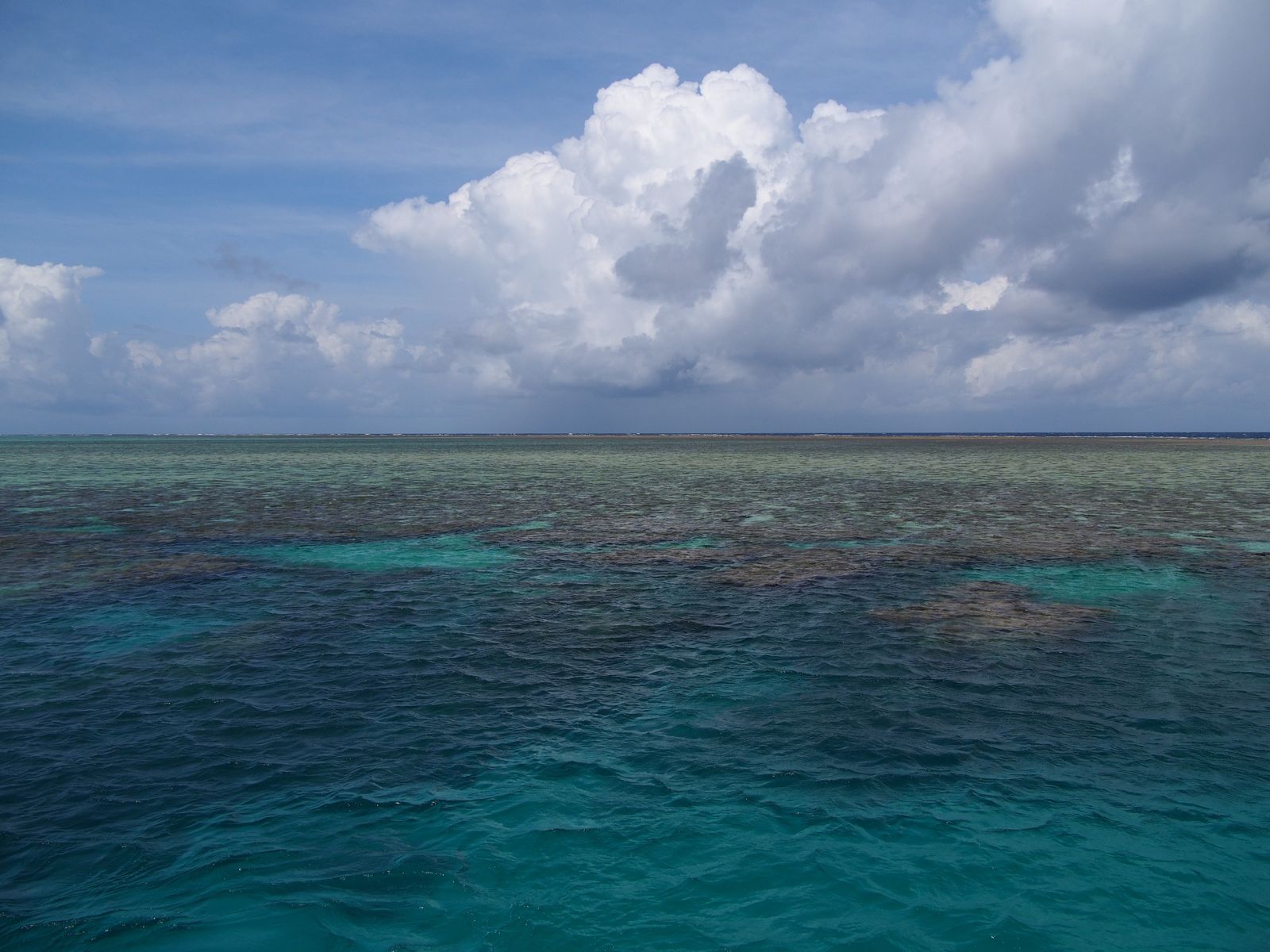
Split Bommie is one of over 15 named snorkel sites dotting Opal Reef, a large crescent-shaped outer reef system about 50 km east of Port Douglas. This site features a dramatic coral bommie (large detached coral outcrop) rising from the sandy seabed, surrounded by pristine gardens of branching corals, plate corals, giant boulder corals, and soft corals. The clear waters (visibility 12-18 m) and the reef's sheltered crescent shape create excellent conditions for snorkelers to explore the vibrant coral formations and abundant marine life. It's a standout site within the Opal Reef system, which boasts near-complete coral coverage thanks to ongoing conservation efforts.
Split Bommie (Opal Reef)
IntermediateGO
GO
It's a go.
Showing last known conditions
Wave Height 0.3 mSwell Period 6.1 sWind Speed 8.1 knPrecipitation 4.1 mmTidal Phase flood
Last evaluated
The spot
Community-maintained
Community contribution: submitted by Daniel
Know before you go
Logged by the community, confirmed by mods
Moderate risk: Marine Stingers (Box Jellyfish / Irukandji)
Marine stingers (box jellyfish and Irukandji) are present in the waters of the Great Barrier Reef, particularly during the warmer months from November to May.
Low risk: Tidal Currents
Opal Reef experiences tidal currents that can be moderate to strong, especially near bommies and channels. The current that brings clear water can also create choppy conditions.
Low risk: Sharp Coral
Sharp coral formations can cause cuts and abrasions if snorkelers make contact. Visitors should not touch the coral.
Low risk: Choppy Conditions in Windy Weather
Choppy conditions can develop in windy weather, particularly at more exposed sites along the reef, making swimming more strenuous.
Low risk: Intense Sun Exposure
Sun exposure is intense on the tropical water with high UV index year-round. Sunburn can occur quickly.
Low risk: Strong tidal currents
The Cathedrals site is subject to strong tidal flows, especially during spring tides, which can sweep snorkelers along the reef edge. Drift snorkels are common but require moderate fitness and confidence in the water.
Low risk: Remote outer reef (no land escape)
The site is an outer reef with no immediate land refuge; boat access only. Snorkelers must stay with the group and follow guide instructions at all times.
Low risk: Wind chop and swell
Opal Reef is exposed to the Coral Sea and can develop choppy, wind-whipped surface conditions when the trade winds blow, especially June–August.
Low risk: Marine stingers
Marine stingers (box jellyfish) may be present in the region during the warmer months (Nov–May).
Wildlife Guide
No wildlife notes for this spot yet.
Gallery
1 photo from the community
Getting in
Snorkel tour
Entry
Split Bommie is located on Opal Reef, approximately 50 km east of Port Douglas, Queensland. Access is exclusively via guided snorkel tour operators such as Wavelength Reef Cruises or Calypso Reef Cruises, which depart from Port Douglas. The boat journey takes approximately 90 minutes each way.
Parking & facilities
Paid parking available at Port Douglas marina. Arrive 30 minutes before departure for check-in.
toilets
Day tours from Port Douglas range from approximately $318 to $329 AUD per person, including equipment, reef-guide, lunch, and transfers.
Spot Map
Community
Gallery ┬╖ 1 photos
Trust
Is this spot real, accurate, still loved?
Spots near Queensland

No nearby spots yet.
Needs verification
Quick verify
One tap helps the community keep this spot honest.
About this data
- Conditions last evaluated
- Spot data last updated
- Data sources
- Open-Meteo (marine & weather conditions), tide predictions via UTide, community contributors (descriptions, hazards, marine life).
- License
- Spot content licensed under CC BY-SA 4.0. How's the Spot is open source.
Weather & swell ┬╖ Open-Meteo marine & weather APIs Tides ┬╖ UTide harmonic analysis Sea & safety ┬╖ community reports