The Solitary Islands Marine Park spans 72,000 hectares of protected NSW coastline where tropical, subtropical, and temperate waters converge, creating one of Australia's most biodiverse snorkeling regions. Its sanctuary zones around South Solitary Island, North Solitary Island, and Muttonbird Island offer pristine no-take protection for vibrant coral-covered reefs, rocky gutters, and boulder habitats. Snorkelers drift over gardens of soft and hard corals, swim through archways encrusted with sponges, and encounter sea turtles, wobbegongs, grey nurse sharks, rays, and vast schools of bullseye and sweep. The islands' exposed eastern reefs draw nutrient-rich currents that sustain prolific marine growth, while sheltered western sides offer calmer conditions for exploration. The iconic Pinnacles at South Solitary Island rise from 18m to within 3m of the surface, surrounded by clouds of fish.
Solitary Islands Marine Park (offshore dive sites)
It's a go.
Showing last known conditions
Last evaluated
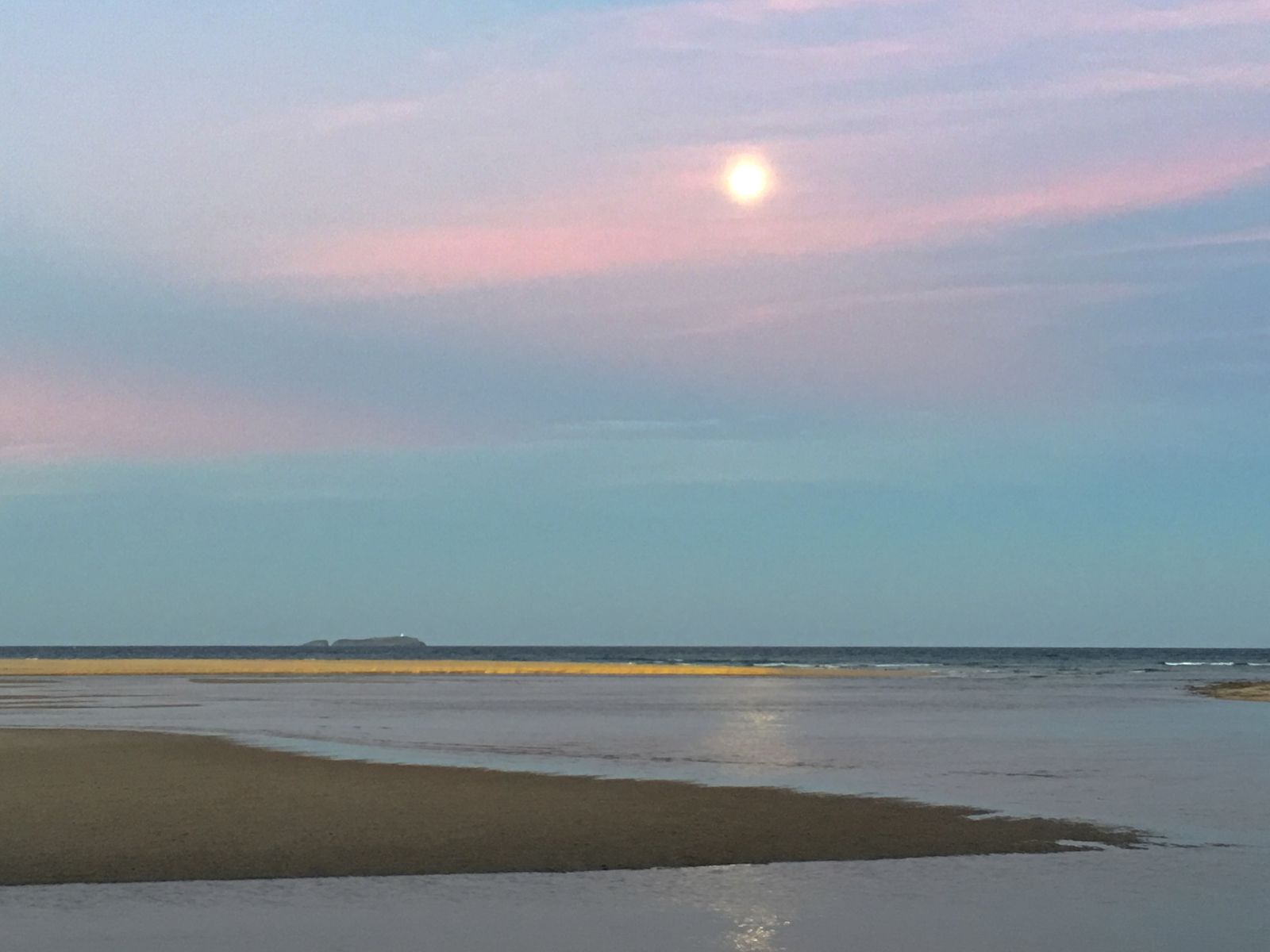 © Pleiadesjump
DANGER: Explicit Risks Present
Solitary Islands Marine Park (offshore dive sites) has hazards marked as danger. Entering the water here means you may face serious risks to your personal safety.
- Rapid ascent risk danger
Deeper mooring lines (21 m) combined with expanding air in buoyancy vests can cause uncontrolled ascents, increasing the risk of decompression sickness.
- Depth and Decompression Risk danger
Many offshore moorings are in 15-21 m of water with gutters dropping to 30 m. Inexperienced snorkelers/divers risk exceeding limits or rapid ascent leading to decompression sickness.
The spot
Community-maintained
Community contribution: submitted by Daniel
Know before you go
Logged by the community, confirmed by mods
High risk: Rapid ascent risk
Deeper mooring lines (21 m) combined with expanding air in buoyancy vests can cause uncontrolled ascents, increasing the risk of decompression sickness.
High risk: Depth and Decompression Risk
Many offshore moorings are in 15-21 m of water with gutters dropping to 30 m. Inexperienced snorkelers/divers risk exceeding limits or rapid ascent leading to decompression sickness.
Moderate risk: Strong ocean currents
The East Australian Current can create strong north-to-south flows around the islands, especially at Manta Arch and Cleaner Station, making it difficult to swim against or start/finish dives at mooring points.
Moderate risk: Depth hazards
Several dive sites have moorings in depths of 12–21 metres with gutters tailing to 30 metres. Inexperienced divers risk exceeding no-decompression limits or rapid ascent if they follow bottom contours back to moorings.
Moderate risk: Deep water snorkelling (5-20m)
Snorkel sites range from 5-20 metres depth with no shallow bottom to stand on. Strong swimming skills and previous snorkelling experience are mandatory.
Moderate risk: Ocean swells and surge
Exposed island sites can experience significant ocean swells and surge, particularly around North Solitary Island, making conditions challenging for less experienced swimmers.
Moderate risk: Strong currents
Tidal currents can be strong between the islands and around headlands, especially during tide changes.
Moderate risk: Ocean swell and wave action
Even in the shelter of the islands there is always some wave action; surface conditions can become too choppy for safe snorkelling.
Moderate risk: Strong currents (East Australian Current)
The convergence of tropical and temperate currents can create strong unpredictable flows around the island reefs.
Moderate risk: Deep water snorkelling (5–20 m)
Snorkel sites are in 5–20 m depth with no shallow areas to stand; snorkellers must be strong swimmers comfortable in deep water.
Moderate risk: Strong East Australian Current
The EAC can produce powerful north-to-south currents around the islands, making it difficult to start dives or swim back against the flow. Drift diving conditions require experience.
Moderate risk: Exposed Offshore Conditions
Sites are 8 km offshore (South Solitary Island) and fully exposed to ocean swells, wind, and changing weather. Choppy surface conditions can make entry/exit hazardous.
Moderate risk: Tidal currents
Powerful tidal streams run between the islands and headlands, especially during spring tides, requiring good fitness and awareness.
Low risk: Boat traffic
All offshore sites are accessed by boat from Coffs Harbour marina, with dive charter vessels and other watercraft operating in the area. Snorkelers must stay aware of boat traffic near mooring points.
Low risk: Variable surface conditions
Swell and wind can create choppy surface conditions, requiring good swimming ability. Trips are often postponed or cancelled if conditions are unsuitable.
Low risk: Limited visibility
Visibility can fall below 15 metres minimum threshold needed for safe enjoyable snorkelling. Conditions vary day-to-day and seasonally.
Low risk: Open ocean swell exposure
The islands offer limited shelter from ocean swell; some wave action is always present even in lee of the islands.
Low risk: Marine stingers
Bluebottles (Portuguese man o' war) and other jellyfish can occur, more common in warmer months.
Low risk: Variable water visibility
Visibility must exceed 15 m for a trip to run; poor conditions often cause cancellations. Choppy seas reduce visibility rapidly.
Low risk: Limited shore access — boat only
There are no shore-entry snorkelling sites; access is only by boat. Snorkellers must be able to enter and exit the water from a vessel in open conditions.
Low risk: Swell and surge on exposed reefs
Sanctuary zones around outer islands catch open-ocean swell; surge can push snorkelers onto reef
Low risk: Ocean swell and surge
Moderate to strong swells from the east and south-east can create challenging surge conditions around exposed reef edges, particularly at South and North Solitary Islands.
Low risk: Sanctuary zone boundary awareness
Marine park rules require staying within sanctuary zone boundaries; accidentally drifting outside no-take areas can occur in currents.
Low risk: Slippery intertidal rocks
Rocky shore entry and exit points at Muttonbird Island have slippery, uneven terrain and can be affected by tidal changes.
Low risk: Ocean currents and rips
Convergence of tropical and temperate currents creates strong, unpredictable flows around island channels and headlands.
Low risk: Variable water conditions
Exposed offshore islands can experience sudden swell, wind chop, and reduced visibility, particularly in winter.
Wildlife Guide
No wildlife notes for this spot yet.
Gallery
6 photos from the community
Getting in
All offshore dive and snorkel sites in the Solitary Islands Marine Park are accessed by licensed charter boats departing from Coffs Harbour Marina (next to Pacific Bay Resort). The park extends 75 km north along the coast; South Solitary Island is about 8 km offshore and 30-40 minutes by boat. Operators such as Jetty Dive Centre and Wooli Dive Centre run regular trips.
Parking available at Coffs Harbour Marina and Pacific Bay Resort precinct. Paid parking may apply during peak periods.
Charter trip fees apply (typically $100-200+ per person depending on site and equipment included). No direct entry fee for the marine park itself.
Spot Map
Community
Trust
Is this spot real, accurate, still loved?
Spots near New South Wales
No nearby spots yet.
Quick verify
One tap helps the community keep this spot honest.
About this data
- Conditions last evaluated
- Spot data last updated
- Data sources
- Open-Meteo (marine & weather conditions), tide predictions via UTide, community contributors (descriptions, hazards, marine life).
- License
- Spot content licensed under CC BY-SA 4.0. How's the Spot is open source.