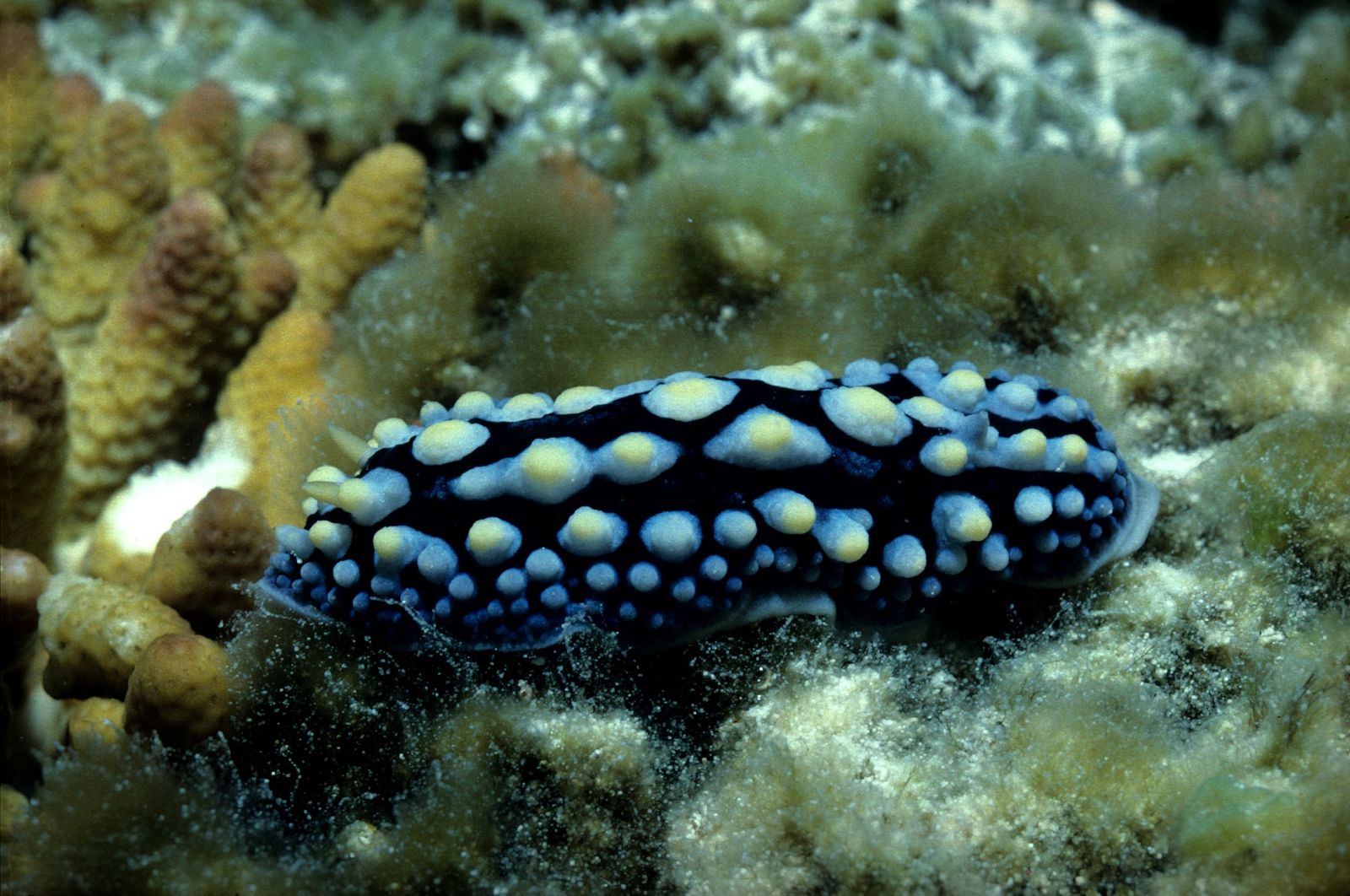
Heron Island is a stunning coral cay in the Southern Great Barrier Reef, offering world-class snorkelling right from the beach. The island's famous dive sites — Coral Gardens, The Gutter, and The Canyons — are accessible via short boat rides from the resort. Coral Gardens is a shallow, sheltered reef garden teeming with colourful corals and fish, perfect for beginners. The Gutter is a deeper channel between the reef and the island where currents funnel nutrient-rich water, attracting larger marine life like turtles, rays, and reef sharks. The Canyons feature dramatic sand channels and bommies (coral outcrops) that drop off into deeper water, offering an exhilarating drift snorkel. This isolated cay is also a major nesting site for green and loggerhead turtles (November–March), and the surrounding clear, warm waters boast extraordinary visibility year-round.
Heron Island dive sites (e.g. Coral Gardens, The Gutter, The Canyons)
It's a go.
Showing last known conditions
Last evaluated
The spot
Community-maintained
Community contribution: submitted by Daniel
Know before you go
Logged by the community, confirmed by mods
Moderate risk: Tidal currents
The Gutter and The Canyons are subject to moderate to strong tidal flows that can sweep snorkellers away from the reef. Best snorkelled on slack tide or with a guided tour.
Moderate risk: Marine stingers (jellyfish)
Marine stingers including box jellyfish may be present in warmer months from October to May. Stinger suits are recommended.
Moderate risk: Windward side currents
Strong currents can run along the windward (eastern) side of the island, particularly at Coral Cascades and The Bommie. These currents concentrate pelagic life but can carry snorkellers away from shore.
Moderate risk: Stinging jellyfish
Stinging jellyfish (box jellyfish and Irukandji) may be present in warmer months, November to May.
Low risk: Marine stingers (box jellyfish)
Marine stingers (box jellyfish and Irukandji) are present in the Southern Great Barrier Reef waters, particularly during the warmer months (October to May).
Low risk: Boat access only (dive sites)
Access to the reef requires a boat transfer from the island or a guided tour. The boat ride can be rough in choppy conditions.
Low risk: Tidal currents in reef channels
Strong tidal currents can sweep through the reef channels, especially during outgoing tides. Snorkelers should be aware of changing tide times.
Low risk: Sun exposure
The sun is intense in tropical Queensland; UV exposure is a hazard even on cloudy days.
Low risk: Sharp coral and reef rock
Coral cuts and scrapes from contact with live coral or sharp reef rock are common when snorkeling in shallow reef areas.
Low risk: Sharp coral
Coral formations are sharp and can cause cuts or abrasions if swimmers make contact. Maintain buoyancy and avoid touching the reef.
Low risk: Boat traffic
Boat traffic in the channel between Heron Island and the outer reef bommies. Snorkelers should be aware of surrounding vessels.
Low risk: Turtle nesting season
The island is a major green turtle nesting site. From November to March, nesting turtles traverse the beach at night. Snorkellers must avoid touching or disturbing turtles in the water.
Low risk: Sharp coral at low tide
Shallow coral bommies and reef platforms are encountered immediately upon entering the water. Low tide exposes sharp coral; entering at low tide risks cuts and coral damage.
Low risk: Venomous marine life
Marine stingers including stonefish and cone shells are present on the reef. Snorkellers should avoid touching coral or the sandy bottom.
Low risk: Marine stingers
Marine stingers (box jellyfish and Irukandji) may be present in the warmer months from October to May.
Low risk: Deep water
Some areas of the Blue Pools are deeper (5-10m) and require good snorkel fitness and comfort with depth.
Wildlife Guide
No wildlife notes for this spot yet.
Gallery
3 photos from the community
Getting in
Access is via Heron Island Resort, located 72 km off the coast of Gladstone, Queensland. Reach the island by ferry (2-hour journey from Gladstone Marina), 30-minute helicopter flight, or light aircraft. The resort operates transfers; no private boats are permitted to land without prior arrangement.
Park at Gladstone Marina car park (free or paid options available) for ferry or helicopter departures. Secure parking is recommended but often hard to book ahead — arrive early to find a spot at the marina lot near the ferry terminal for the Heron Island Resort transfer boat, which departs from Glad
Spot Map
Community
Trust
Is this spot real, accurate, still loved?
Spots near Queensland
No nearby spots yet.
Quick verify
One tap helps the community keep this spot honest.
About this data
- Conditions last evaluated
- Spot data last updated
- Data sources
- Open-Meteo (marine & weather conditions), tide predictions via UTide, community contributors (descriptions, hazards, marine life).
- License
- Spot content licensed under CC BY-SA 4.0. How's the Spot is open source.