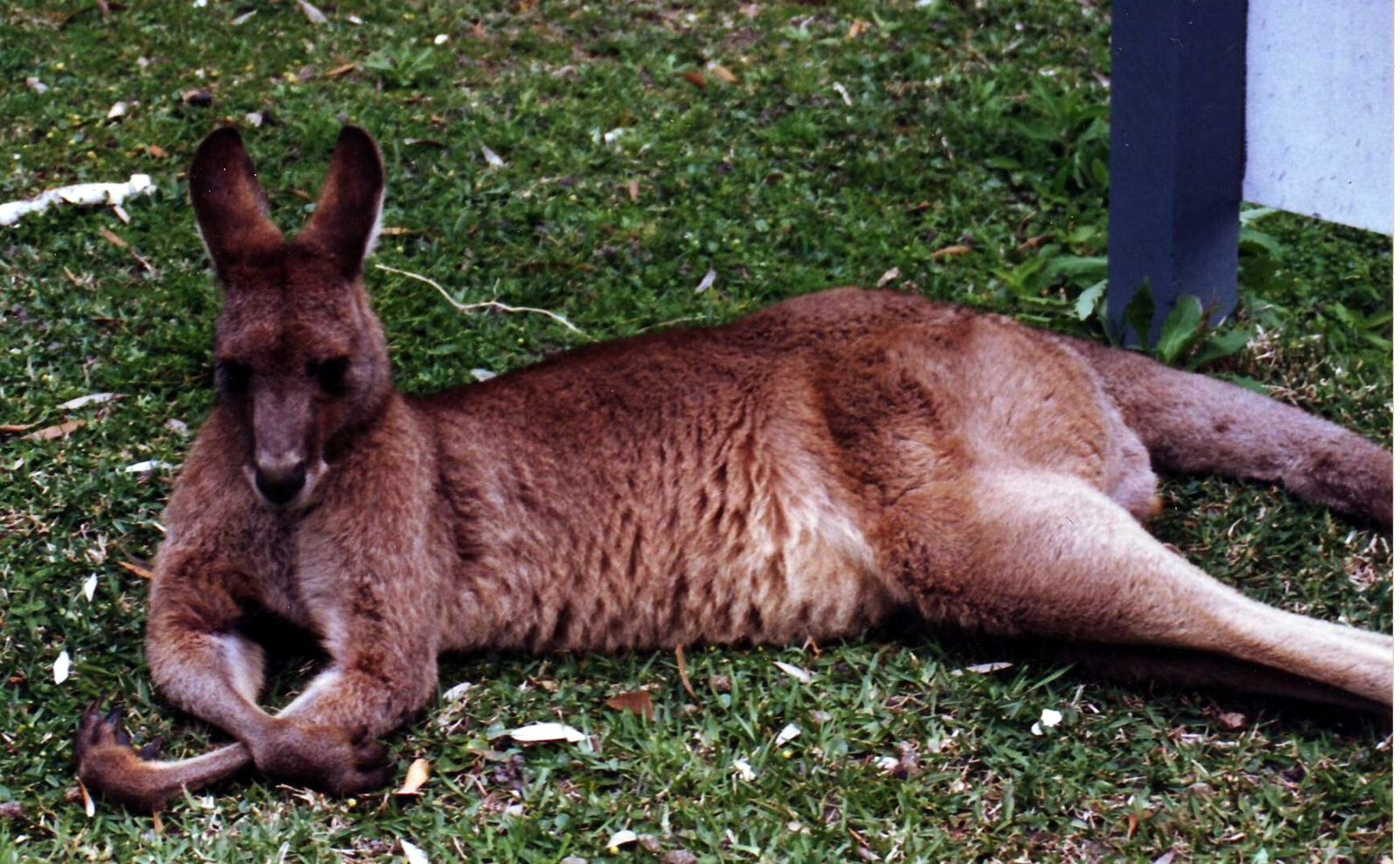
At the northern tip of the Barrington Coast, Diamond Head rises dramatically between two sublime beaches within Crowdy Bay National Park. Snorkel around the iconic rock formations and the natural rock arch at the base of the headland, where calm, clear waters invite exploration. The beach here typically holds gentle waves, making it a calm escape where kangaroos hop across the white sand and dolphins often feed in the bay. Split Rock near the base of the headland creates dramatic underwater terrain to explore, especially around low tide when the reef-like rock formations are most accessible.
Diamond Head
BeginnerGO
GO
It's a go.
Showing last known conditions
Wave Height 0.4 mSwell Period 6.0 sWind Speed 1.8 knPrecipitation 0.2 mmTidal Phase flood
Last evaluated
The spot
Community-maintained
Community contribution: submitted by Daniel
Know before you go
Logged by the community, confirmed by mods
Low risk: Low tide rocks
Snorkelling is best around the rock formations at low tide, but exposed rocks can be sharp and present a scraping hazard.
Low risk: 4WD vehicles on beach
Diamond Head Beach is 4WD accessible and vehicles share the beach with swimmers and snorkellers.
Low risk: Gravel access road
The road into Diamond Head from Dunbogan becomes gravel, which can be slippery after rain and requires careful driving.
Wildlife Guide
No wildlife notes for this spot yet.
Gallery
2 photos from the community
Getting in
Shore entry
Entry
Drive through Laurieton, cross the bridge towards Dunbogan, keep right towards Diamond Head and follow the signs. The road becomes gravel after a point. For northern access, take Diamond Head Road into Crowdy Bay National Park.
Parking & facilities
Parking available at the Diamond Head campground area and near the beach access points within Crowdy Bay National Park.
toiletsparkingpicnic_tables
Park entry fee: $8 per vehicle per day (NSW National Parks fee). A National Parks Pass is required to drive on the beach.
Spot Map
Community
Gallery ┬╖ 2 photos
Trust
Is this spot real, accurate, still loved?
Spots near New South Wales

No nearby spots yet.
Needs verification
Quick verify
One tap helps the community keep this spot honest.
About this data
- Conditions last evaluated
- Spot data last updated
- Data sources
- Open-Meteo (marine & weather conditions), tide predictions via UTide, community contributors (descriptions, hazards, marine life).
- License
- Spot content licensed under CC BY-SA 4.0. How's the Spot is open source.
Weather & swell ┬╖ Open-Meteo marine & weather APIs Tides ┬╖ UTide harmonic analysis Sea & safety ┬╖ community reports