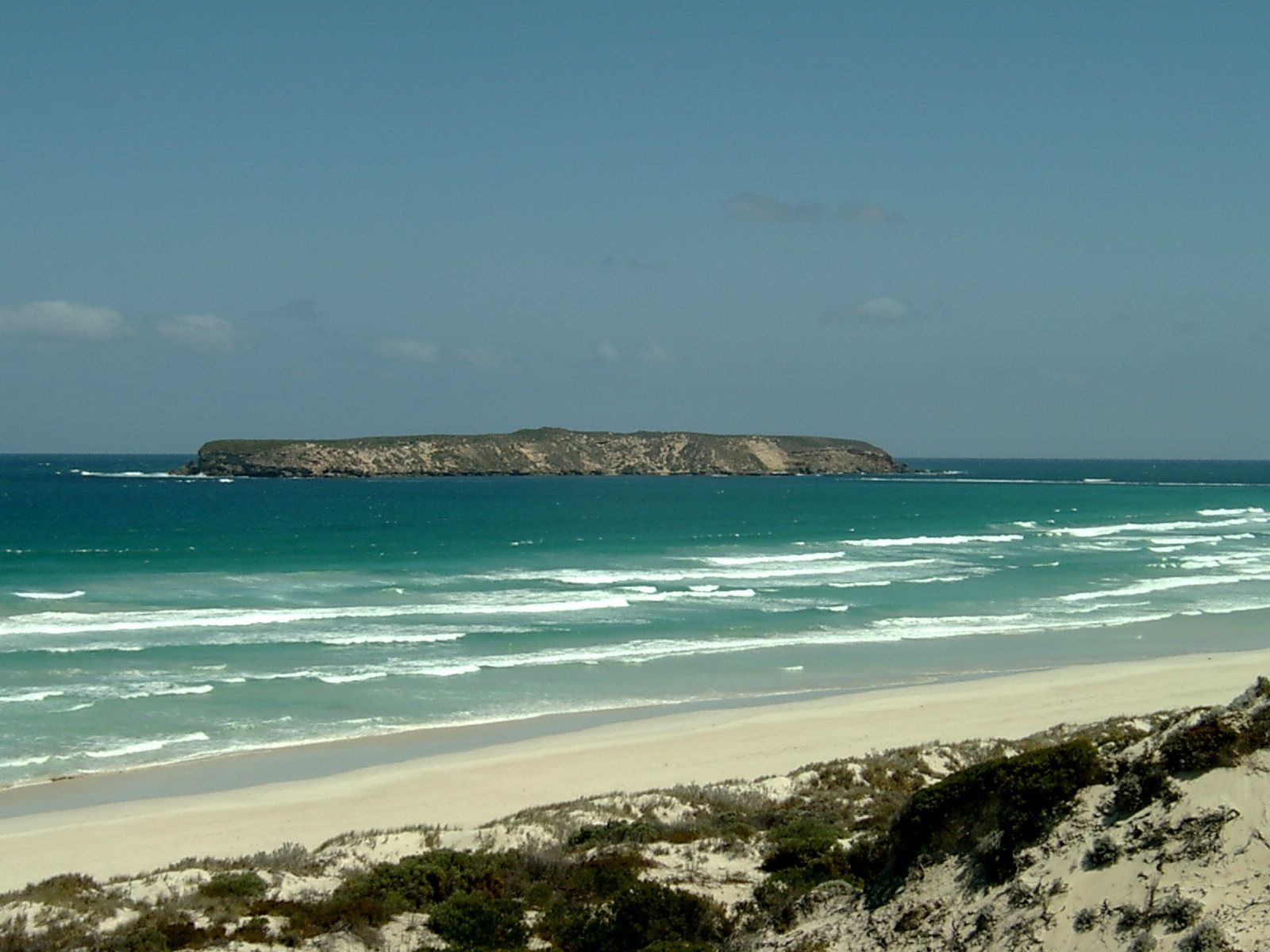
On the southern tip of the Eyre Peninsula, Coffin Bay National Park offers stunning coastal snorkeling in the sheltered lagoon just west of Golden Island. Accessible via a short boardwalk from the Golden Island carpark, the lagoon is protected from the Southern Ocean by a natural reef ledge, creating calm, clear turquoise waters ideal for snorkeling. This area lies within the Thorny Passage Marine Park and is home to reef fish, colourful blue groper (which change sex as they mature), and the occasional dolphin or seal. The park's wild coastline of high cliffs, massive dunes, pounding surf beaches, and sheltered sandy bays makes it a truly special place to explore both above and below the water.
Coffin Bay National Park (coastal snorkeling areas)
BeginnerGO
GO
It's a go.
Showing last known conditions
Wave Height 0.2 mSwell Period 11 sWind Speed 0.9 knPrecipitation 4.8 mmTidal Phase slack
Last evaluated
DANGER: Explicit Risks Present
Coffin Bay National Park (coastal snorkeling areas) has hazards marked as danger. Entering the water here means you may face serious risks to your personal safety.
- Catastrophic fire danger closures danger
The park is closed on days of Catastrophic Fire Danger and may close on Extreme Fire Danger days (typically Nov-Mar).
- Summer bushfire danger danger
Park closes on days of Catastrophic Fire Danger and may close on Extreme Fire Danger days. Common in hot, dry summer conditions.
- Bushfire risk (summer) danger
The park closes on days of Catastrophic Fire Danger and may close on Extreme Fire Danger days during the hot, dry summer months (December to March).
- Catastrophic fire danger closure danger
The park is closed on days of Catastrophic Fire Danger and may close on Extreme Fire Danger days during summer.
The spot
Community-maintained
Community contribution: submitted by Daniel
Know before you go
Logged by the community, confirmed by mods
High risk: Catastrophic fire danger closures
The park is closed on days of Catastrophic Fire Danger and may close on Extreme Fire Danger days (typically Nov-Mar).
High risk: Summer bushfire danger
Park closes on days of Catastrophic Fire Danger and may close on Extreme Fire Danger days. Common in hot, dry summer conditions.
High risk: Bushfire risk (summer)
The park closes on days of Catastrophic Fire Danger and may close on Extreme Fire Danger days during the hot, dry summer months (December to March).
High risk: Catastrophic fire danger closure
The park is closed on days of Catastrophic Fire Danger and may close on Extreme Fire Danger days during summer.
Moderate risk: Winter inaccessibility
The lagoon snorkeling area is not accessible during winter months due to rough conditions.
Moderate risk: Southern Ocean swell
Exposed beaches can experience strong, unpredictable swells from the Southern Ocean, creating dangerous surf conditions.
Moderate risk: Rip currents
Unpatrolled beaches may have strong rip currents, especially near headlands and reef channels.
Moderate risk: Isolation and limited services
The park is remote with no cell reception, lifeguards, or nearby emergency services. Self-sufficiency is essential.
Moderate risk: Seasonal Closure (Winter)
The lagoon is not accessible in winter due to rough conditions — only visit during warmer months.
Moderate risk: Great White & Bronze Whaler Sharks
Great white and bronze whaler sharks have been spotted working together to round up salmon near Golden Island. Exercise caution, especially near the reef ledge.
Moderate risk: Strong tidal surge at reef
Two directions of waves crash together at right-angles over the rocky reef near Golden Island, creating unpredictable surge conditions.
Moderate risk: Tidal inundation on 4WD tracks
High tides can inundate sections of the 4WD track between Yangie Bay and Morgans Landing with seawater. Check water depths before crossing and avoid peak tide times.
Moderate risk: Strong surf and rips (exposed beaches)
The exposed southern coastline experiences powerful Southern Ocean swells and strong rips at surf beaches. Stick to the sheltered lagoon and protected bays.
Moderate risk: Remote 4WD access required
Some access tracks require a 4WD vehicle and can become impassable after rain.
Low risk: No potable water
There is no drinking water available in the park; visitors must bring their own supply.
Low risk: Winter lagoon inaccessibility
The snorkeling lagoon at Golden Island is not accessible during winter due to rough conditions and high swells.
Low risk: Low tide timing
The lagoon is best accessed at low tide; at high tide the reef ledge may be more difficult to navigate and water movement increases.
Low risk: Great white and bronze whaler sharks
Sharks are known to hunt in the waters off Golden Island, rounding up schools of salmon alongside dolphins. Sightings are rare but possible.
Low risk: Unsealed park roads
Access roads within the national park are unsealed and can become impassable after rain or in poor conditions.
Low risk: Changing tides at lagoon reef ledge
The protected lagoon's reef ledge access point is tide-dependent and may be blocked or exposed at low tide.
Low risk: Low Tide Access Only
The lagoon is best accessed and visible at low tide; at high tide the reef ledge may be submerged or the entry point obscured.
Low risk: Remote Location
Located within a remote national park with limited mobile reception, no water supply, and 4WD required for northern sections of the park.
Low risk: Reef ledge access (winter closure)
The lagoon snorkeling area at Golden Island is protected by a reef ledge that is not accessible in winter months due to swells.
Low risk: Remote conditions & no water supply
No drinking water available in the park. Remote coastal location with limited mobile reception. Bring all supplies.
Low risk: Challenging 4WD access conditions
The 4WD track from Yangie Bay to Morgans Landing has deep ruts, narrow passes, and soft sandy sections. Sand flags and recovery tracks recommended.
Low risk: Outgoing tide current
Tidal movements through the lagoon reef ledge can create strong outgoing currents. Best visited at low tide.
Low risk: Sharks
Great white and bronze whaler sharks have been sighted in the Southern Ocean near Golden Island, hunting alongside dolphins.
Low risk: 4WD track hazards
The track from Yangie Bay to Morgans Landing has deep ruts, narrow passes, soft sand sections, and occasional high-tide seawater inundation.
Low risk: Rocky Reef Ledges
Sharp limestone reef edges border the lagoon entrance; care needed when entering and exiting the water.
Low risk: Tide-Dependent Access
The lagoon is best accessed at low tide; at high tide the reef shelf may be submerged and currents can shift.
Low risk: Strong ocean currents
The Southern Ocean can produce strong, unpredictable currents, especially around headlands and exposed beaches. Check conditions before entering.
Low risk: Swell / rough surf
Swell can roll in suddenly from the Southern Ocean, particularly on exposed western-facing bays.
Low risk: Marine stingers (bluebottles)
Marine stingers including bluebottles can be present, especially in summer months.
Wildlife Guide
No wildlife notes for this spot yet.
Gallery
6 photos from the community
Getting in
Shore entry
Entry
Coffin Bay National Park is 50 km west of Port Lincoln on the Eyre Peninsula. From Adelaide, take the 8-hour/680 km drive via the Flinders Highway and Coffin Bay Road, or shorten the trip via the Wallaroo to Cowell ferry. For the lagoon snorkeling spot, park at the Golden Island carpark (sealed road access) and take the boardwalk down to the beach, then walk 200 m around the point to the west.
Parking & facilities
Golden Island carpark is accessible by sealed road. There are no dedicated accessible parking spaces at Yangie Bay. Black Springs, Morgan's Landing and The Pool campgrounds also have parking.
toiletspicnic_tables
Vehicle entry fee applies: approximately $13.90 per car or $11.20 concession. Camping fees from $22.30 per night. Check current Parks SA website for up-to-date pricing.
Spot Map
Community
Gallery ┬╖ 6 photos
Trust
Is this spot real, accurate, still loved?
Spots near South Australia
No nearby spots yet.
Needs verification
Quick verify
One tap helps the community keep this spot honest.
About this data
- Conditions last evaluated
- Spot data last updated
- Data sources
- Open-Meteo (marine & weather conditions), tide predictions via UTide, community contributors (descriptions, hazards, marine life).
- License
- Spot content licensed under CC BY-SA 4.0. How's the Spot is open source.
Weather & swell ┬╖ Open-Meteo marine & weather APIs Tides ┬╖ UTide harmonic analysis Sea & safety ┬╖ community reports